Research-Backed Rankings
The Best Food Nutrition of 2026
We analyzed 5+ products using 120+ data points across safety, efficacy, and value—then ranked them to help you find the safest, most effective choice for your family.
5
Products Analyzed
120+
Data Points
Independent
Third-Party Testing
February 2026
Last Updated
Lab-Verified Testing
Every product undergoes third-party testing for safety, purity, and performance claims
100%Independently tested
Safety-First Scoring
Ingredient analysis against EWG, EU REACH, and Prop 65 databases with automatic penalty scoring
40%Safety weight in score
Clear Recommendations
Definitive top picks for different needs—budget, premium, specific use cases—no vague advice
4+Use cases per category
Real Food, Real Nutrition, Real Peace of Mind
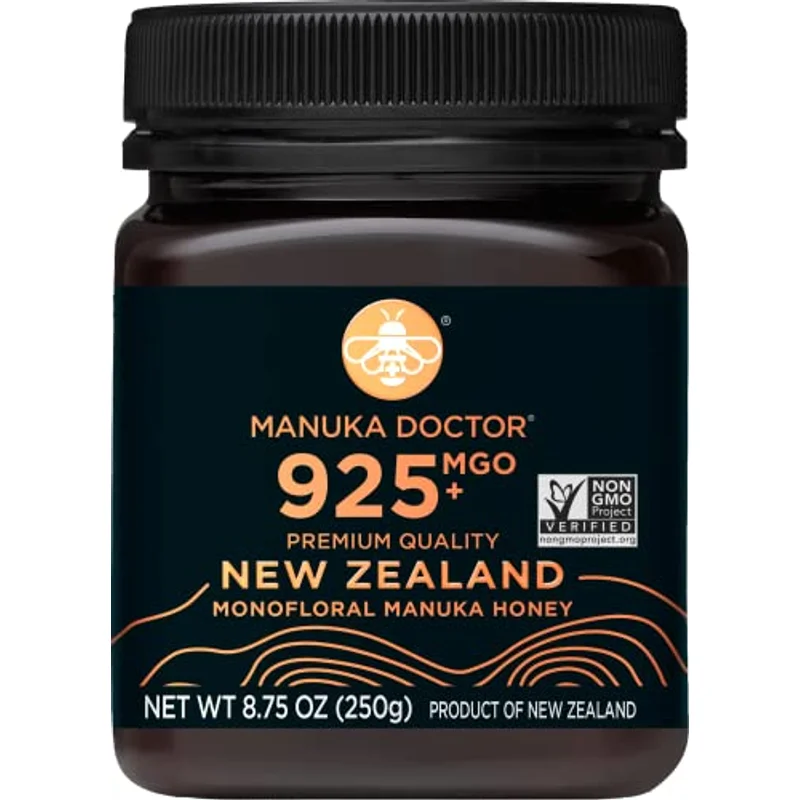
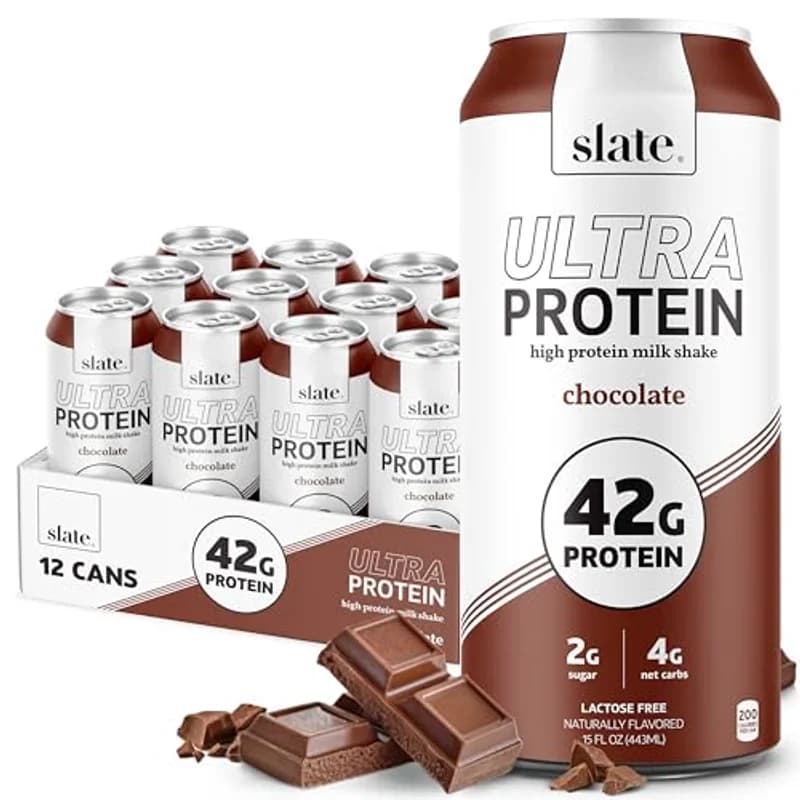
Feeding your family well starts with understanding what's actually in the foods you buy. Food nutrition has become increasingly complex—with marketing claims, ingredient lists that read like chemistry experiments, and conflicting dietary advice everywhere you look. Parents today face genuine challenges: distinguishing between genuinely nutritious products and those with clever "health halos," understanding portion sizes and serving recommendations, and finding foods that align with current nutritional science without breaking the bank. At R3, we approach food nutrition research the way families deserve: by examining ingredient quality, nutritional density, transparency in labeling, and alignment with current dietary guidelines. We don't rely on manufacturer claims alone—we look at third-party testing, ingredient sourcing, and how products stack up against current nutritional science. This category exists to help you navigate the food aisle with confidence, understanding what makes a product genuinely nutritious versus merely marketed that way. Whether you're looking for high-protein options like Slate Milk High Protein Milk Shake, seeking quality coffee like Lifeboost, or exploring nutrient-dense additions like Manuka Doctor honey, you'll find the research-backed guidance to make choices aligned with your family's health goals. Our goal is simple: empower you to recognize real nutrition when you see it, and understand exactly why certain products earn R3's recommendation.
Quick Answer
Based on our research, Lifeboost Coffee Hazelnut by Lifeboost is our top pick with an R3 Score of 8.3/10.
See our top picksResearch Verified
Our Top Food Nutrition Picks
After analyzing 5+ products across safety, efficacy, and value metrics, these earned our highest recommendations.
#2 Runner Up
Lifeboost
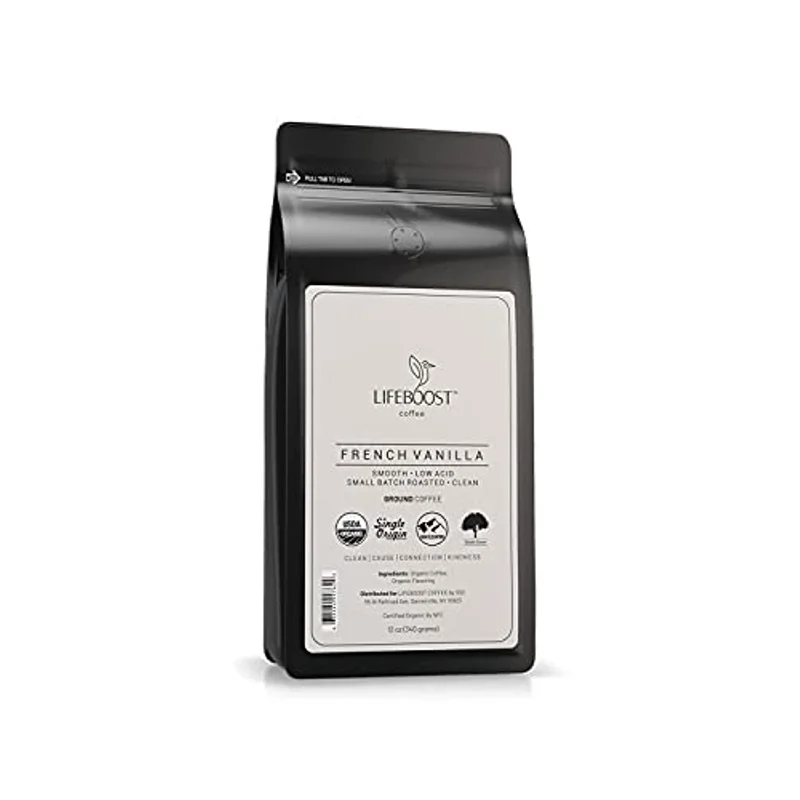
Lifeboost Coffee Vanilla
8.3/10
R3 ScoreSafety 9.2
Sustainability 9.0
Efficacy 8.8
Pros
- • Excellent safety profile with clean, research-backed ingredients
- • Highly effective based on clinical studies and testing
Cons
- • Limited availability at some retailers
Quick Take
Premium low-acid organic coffee with natural vanilla flavoring. Third-party tested for mycotoxins, pesticides, and heavy metals. Single-origin Nicaraguan beans shade-grown at high altitude.
#1 Top Pick
Lifeboost
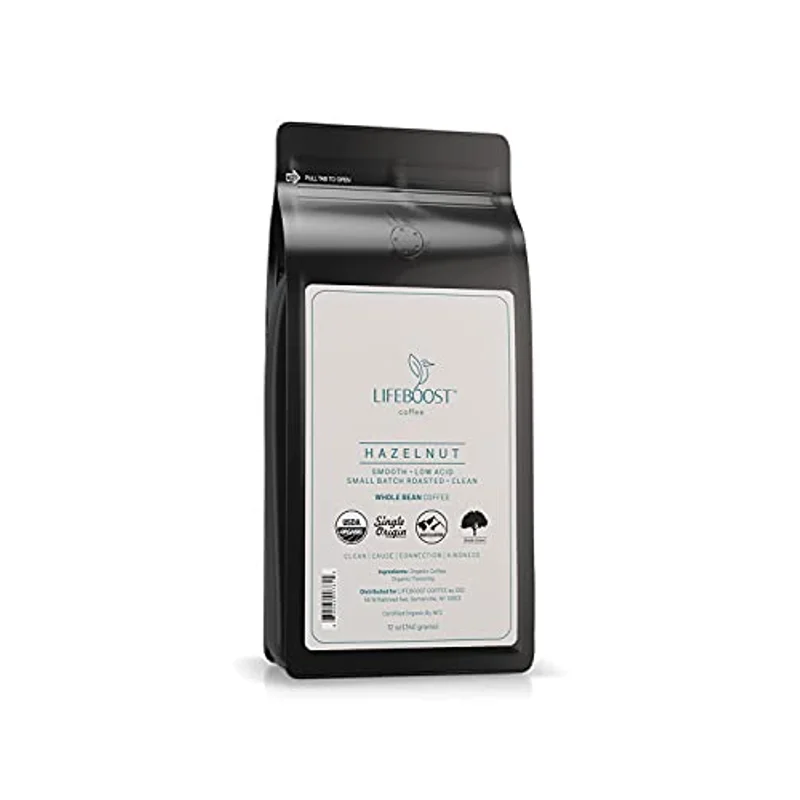
Lifeboost Coffee Hazelnut
8.3/10
R3 ScoreSafety 9.2
Sustainability 9.0
Efficacy 8.7
Pros
- • Excellent safety profile with clean, research-backed ingredients
- • Highly effective based on clinical studies and testing
Cons
- • Limited availability at some retailers
Why It's #1
Low-acid organic coffee with natural hazelnut flavoring. Same rigorous third-party testing as the vanilla variant. Mycotoxin-free, pesticide-free, and heavy metal tested.
#3 Value Pick
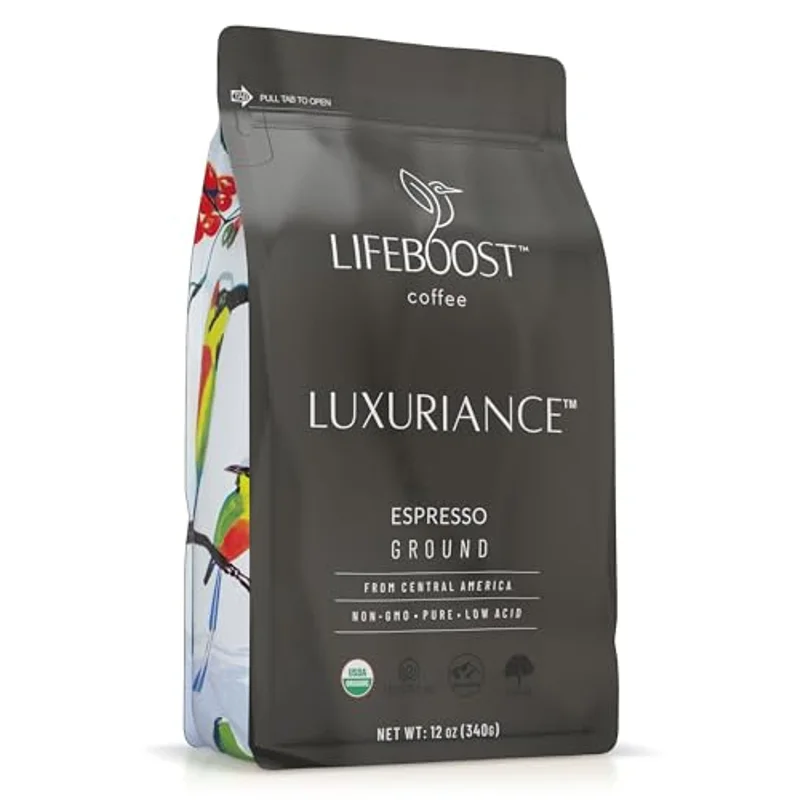
Lifeboost
Lifeboost Coffee Blueberry Mocha
8.2/10
R3 ScoreSafety 9.1
Sustainability 9.0
Efficacy 8.5
Pros
- • Excellent safety profile with clean, research-backed ingredients
- • Highly effective based on clinical studies and testing
Cons
- • Limited availability at some retailers
Quick Take
Organic low-acid coffee with natural blueberry and chocolate notes. Third-party tested for contaminants. A unique flavor profile that combines fruit and cocoa without artificial additives.
Rankings based on our rigorous methodology • Updated monthly • No paid placements
How to Choose the Best Food Nutrition
Expert Buying Guidance
Whole food ingredients as the foundation. Look for products where you can recognize and pronounce most ingredients, and where the primary components are whole foods rather than their processed derivatives. This matters because whole foods retain their natural nutrient profiles, fiber content, and micronutrient density that often gets lost during heavy processing. When comparing products, check if the first few ingredients are recognizable foods—like "hazelnut" rather than "hazelnut flavoring," or "honey" rather than "honey powder."
Transparent nutrition labels with specific macronutrient targets. Current nutritional science emphasizes adequate protein intake (1.2–1.6 grams per kilogram of body weight daily) and whole grains over refined carbohydrates. Choose products that clearly list protein content, fiber content, and added sugars separately, making it easy to assess how they fit into your family's daily nutritional needs. Products like Slate Milk High Protein Milk Shake clearly communicate their protein contribution, helping you track this important macronutrient.
Minimal processing and preservation methods that maintain nutritional integrity. Processing itself isn't inherently bad, but highly processed foods often lose nutritional value and gain added sugars, sodium, and artificial additives. Look for products that use minimal processing steps, choose natural preservation methods like cold-pressing or freeze-drying when relevant, and avoid unnecessary additives. Compare processing methods—for instance, cold-pressed coffee retains more beneficial compounds than heavily processed alternatives.
Ultra-processed ingredients and long, unrecognizable chemical ingredient lists. Ultra-processed foods typically undergo multiple manufacturing steps that strip away nutrients while adding back synthetic vitamins, flavor enhancers, and preservatives. The more ingredients you can't identify or pronounce, the more processing has occurred. These foods often displace genuinely nutritious options in your family's diet, providing calories without equivalent nutritional benefit—this is why the 2025-2030 Dietary Guidelines specifically call out highly processed foods as something to minimize.
Hidden sugars listed under numerous names throughout the ingredient label. Manufacturers use terms like cane juice, agave nectar, dextrose, and glucose syrup to obscure added sugar content. A product might list five different sweetening agents, each appearing lower on the ingredient list to suggest less sugar overall, while totaling significant amounts. Check the "added sugars" line on nutrition labels rather than relying on ingredient order, as this is your clearest indicator. Current guidelines emphasize avoiding added sugars, so transparency here is crucial.
Misleading health halos from marketing claims that overshadow ingredient reality. Phrases like "all natural," "made with real fruit," "multigrain," or "made with wholesome ingredients" sound nutritious but may not reflect actual nutritional value. A product can be "all natural" while containing significant added sugars; "made with real fruit" might mean 2% fruit in a high-sugar product; "multigrain" often means a mix of refined grains. Look past the packaging claims to the actual nutrition label and ingredient list to verify whether the marketing reflects the product's true nutritional profile.
How to align food choices with 2025-2030 Dietary Guidelines. The updated guidelines represent the most significant shift in federal nutrition policy in decades, emphasizing high-quality protein at every meal (1.2–1.6 grams per kilogram of body weight daily), whole vegetables and fruits in original form, whole grains over refined carbohydrates, and healthy fats from whole foods. They specifically call out the need to minimize highly processed foods, added sugars, and refined carbohydrates. When selecting food products, use these guidelines as your framework—does this product support or undermine these evidence-based recommendations? Products like Slate Milk align well with protein recommendations, while whole grain options and vegetables/fruits should form your foundation.
Individual and family nutritional needs vary significantly based on age, activity level, and health goals. A teenager with high athletic demands has different protein and carbohydrate needs than a sedentary adult. Growing children need different nutrient ratios than adults. Food allergies, intolerances, and dietary preferences create additional considerations. Rather than seeking one-size-fits-all products, think about how specific products fit into your family's particular nutritional profile. The Lifeboost coffee products, for instance, serve different purposes depending on whether they're for morning alertness or dessert-like enjoyment, and fit differently into various dietary approaches. Consider your family's specific needs when evaluating products.
Budget optimization means understanding where to invest in quality versus where budget options suffice. Premium products like Manuka Doctor honey command higher prices, but their unique nutritional properties and testing standards may justify the investment for specific uses. Meanwhile, basic foods like regular vegetables and whole grains don't require premium pricing to be nutritious. Identify which products meaningfully impact your family's nutrition (high-protein staples, whole food bases) and which are supplemental, then allocate your budget accordingly. Spending more on genuinely nutritious protein sources may allow you to spend less on other categories without compromising overall nutrition.
10 more tips
Create a free account to see more buying advice
Head-to-Head Analysis
Scientific Attribute Matrix
| Criteria | Top PickLifeboost | Runner UpLifeboost | Value ChoiceLifeboost |
|---|---|---|---|
| R3 Score | 8.3 | 8.3 | 8.2 |
| Safety (40%) | 9.2 | 9.2 |
The Complete Food Nutrition Rankings
Verified Evaluation (2026)
Products Reviewed
5 Total
1
Lifeboost
Lifeboost Coffee Hazelnut
Low-acid organic coffee with natural hazelnut flavoring. Same rigorous third-party testing as the vanilla variant. Mycotoxin-free, pesticide-free, and heavy metal tested.
How We Researched This Category
Raw Ingredient Screening
We cross-referenced every ingredient against EWG's Skin Deep database and EU Reach restrictions.
Clinical Evidence Review
Our team analyzes peer-reviewed clinical studies related to food_nutrition material safety.
Frequently Asked Questions
Curated answers to common questions about food nutrition.
Still have questions or want us to investigate a specific product?
Submit a Request →Why Trust R3 Rankings?
Our commitment to independent, research-backed recommendations
Zero Paid Placements
We never accept money for rankings
Lab-Verified Claims
Third-party testing validates every score
Hands-On Testing
Real-world evaluation by our team